Nov 09, 2026
Custom Trade Show Exhibits
Custom 20×30 Trade Show Booths: Design Ideas for Maximum Impact

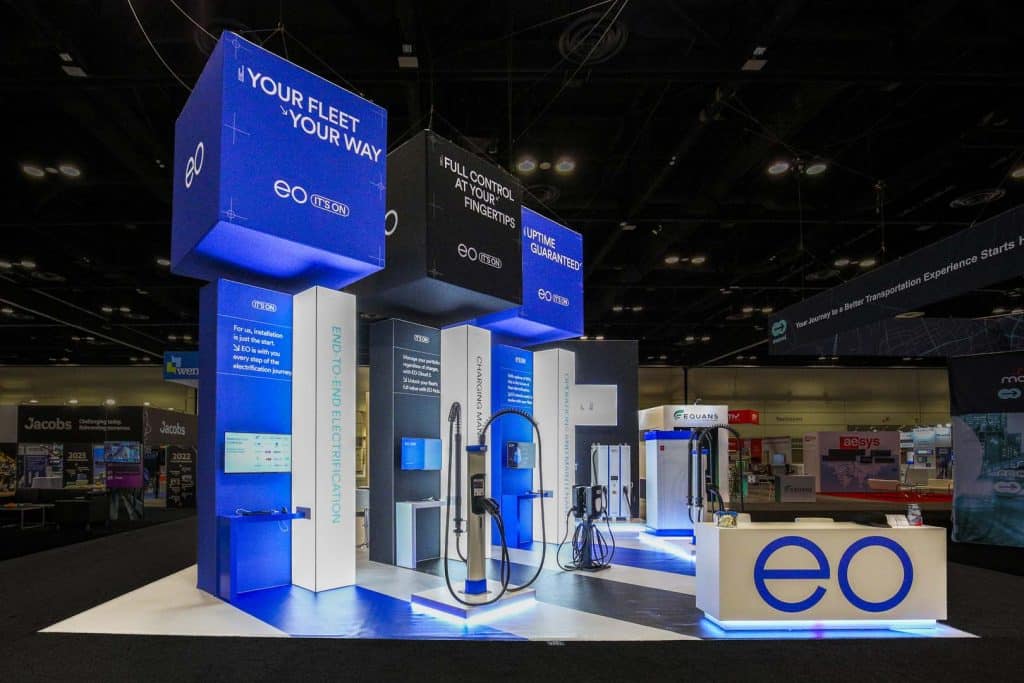
A 20×30 trade show booth gives businesses plenty of room to present their products, connect with visitors, and create a memorable brand experience. With 600 square feet of exhibition space, you have the flexibility to include product displays, meeting areas, interactive features, and eye-catching graphics without making the booth feel overcrowded.
However, having a large space does not automatically guarantee a successful exhibition presence. The layout, visual presentation, and visitor experience all play an important role. A well-planned Custom 20×30 Trade Show Booth can help your business make better use of the available space while creating a professional impression.
Here are some design ideas to consider when planning your next trade show exhibit.
1. Create a Layout That Makes the Most of Your Space
The first step is deciding how visitors will move through your booth. A 20×30 space offers enough room for different activities, but every section should have a clear purpose.
You can divide the booth into separate areas for product demonstrations, visitor conversations, brand displays, and private meetings. This helps prevent different activities from interfering with one another.
For example, placing product displays towards the front can attract attention, while keeping seating and discussion areas towards the back allows your team to have more focused conversations.
Leave enough open space between sections so visitors can move comfortably. Avoid filling every corner with furniture or display structures.
2. Use Large Backdrops to Increase Brand Visibility
A large exhibition space gives you an opportunity to make your branding visible from different parts of the exhibition hall.
Consider using a central backdrop with your company logo, brand colours, and a clear message. Large-format graphics can help visitors recognise your business even before they reach the booth.
You can also use illuminated panels or overhead signage to improve visibility. However, the design should remain consistent with your overall brand identity.
Keep the main message short and easy to read. Visitors should understand what your business offers without having to study several lines of text.
3. Build an Attractive Product Display Area
If your main objective is to showcase products, dedicate a visible section of the booth to product presentation.
Use display counters, shelving units, product stands, or custom-built structures depending on the type and size of your products. Arrange important items at eye level and avoid displaying too many products in one place.
For businesses introducing new products, a dedicated launch section can help create interest. You can use focused lighting, digital screens, or simple information panels to highlight key features.
Make sure visitors have enough room to approach the products and interact with them.
4. Add a Comfortable Meeting and Seating Area
Trade shows are valuable for building business relationships. A dedicated meeting area gives your sales team a comfortable place to speak with potential customers, partners, and existing clients.
Depending on your requirements, you can include a small conference table, lounge seating, or a semi-private discussion area.
For a 20×30 booth, it is possible to create a separate meeting space without taking away too much room from product displays.
Choose furniture that matches your brand presentation and fits the overall layout. The goal is to make conversations feel natural while keeping the space professional.
5. Include Interactive Technology
Technology can make your exhibition booth more engaging, particularly when visitors want to understand how a product or service works.
Touchscreens, digital catalogues, video presentations, and product demonstrations are some useful additions.
You could also include QR codes that direct visitors to your website, product pages, or downloadable brochures. This gives interested prospects an easy way to access information after the event.
The technology should support your exhibition goals rather than become a distraction. Choose features that are simple to use and relevant to your audience.
6. Experiment With Creative Lighting
Lighting helps define different sections of a large booth and draws attention to important display elements.
LED strips can highlight structural features, while spotlights can focus attention on products and branded displays. Backlit graphics can also create a clean, modern appearance.
You can use warmer lighting in meeting areas to create a relaxed atmosphere and brighter lighting around product displays for better visibility.
Before finalising the setup, consider the exhibition venue’s lighting conditions and electrical requirements.
7. Choose the Right Booth Structure
The structure you select should support your branding, products, and overall exhibition objectives.
Some businesses prefer open layouts with minimal partitions, while others need enclosed sections for meetings or demonstrations. You can also combine different materials and display elements to create a more distinctive appearance.
When comparing Booth Design Companies, look for a team that understands space planning, fabrication, graphics, installation, and the practical requirements of trade show participation.
Ask to review previous projects and 3D design concepts before making a decision. This can help you understand how the finished booth may look and function.
8. Keep Storage and Practical Requirements in Mind
One detail that is sometimes overlooked during booth planning is storage.
Your team may need space for promotional materials, personal belongings, extra products, packaging, and other exhibition supplies. Without a designated storage area, these items can make the booth look untidy.
A concealed storage unit or integrated cabinet can help keep everything organised.
Also consider power outlets, lighting connections, internet access, and equipment requirements. Discussing these details during the design stage can prevent unnecessary changes during installation.
How to Plan Your 20×30 Trade Show Booth Budget
The overall cost of a custom booth depends on several factors, including structural materials, graphics, lighting, technology, furniture, transportation, and installation.
Start by identifying the features that are most important to your business. If product demonstrations are your priority, allocate more of your budget to demonstration counters and interactive equipment. If brand awareness is the main goal, invest in strong graphics and visible signage.
You should also consider whether purchasing a custom exhibit or choosing a rental solution makes more sense. Businesses attending several events may prefer a reusable structure, while those participating in occasional exhibitions might find rentals more practical.
Create a Trade Show Experience That People Remember
A successful 20×30 booth combines attractive design with practical planning. From clear branding and product displays to comfortable meeting areas and interactive technology, every element should contribute to a better visitor experience.
Foster Display Group helps businesses bring their exhibition ideas to life through custom exhibit designs, rental displays, fabrication, and exhibit management services.
With the right planning and an experienced exhibition partner, your 20×30 booth can become more than just a display space. It can be a professional environment where visitors connect with your brand and learn what your business has to offer.
Frequently Asked Questions
Q1. How much space does a 20×30 trade show booth provide?
A 20×30 booth offers 600 square feet of exhibition space. This is enough to combine product displays, a meeting area, interactive features and large graphics without making the booth feel crowded.
Q2. How should I plan the layout of a 20×30 trade show booth?
Start by dividing the space into zones for product displays, demonstrations, meetings and storage. Place product displays towards the front to attract visitors, keep seating and discussion areas towards the back, and leave open walkways so people can move comfortably.
Q3. Can a 20×30 booth include a private meeting area?
Yes. The footprint is large enough to add a small conference table, lounge seating or a semi-private discussion space without taking much room away from your product displays.
Q4. Should I buy a custom booth or rent one for a 20×30 space?
It depends on how often you exhibit. Businesses attending several events a year may prefer a reusable custom structure, while those exhibiting occasionally often find rentals more practical.
Q5. What factors affect the cost of a custom 20×30 trade show booth?
Cost depends on structural materials, graphics, lighting, technology, furniture, transportation and installation. Decide which features matter most, such as demonstrations or brand visibility, and allocate more of your budget there.


