Nov 09, 2026
Blog
How to Choose the Right Product Launch Event Company for Your Brand

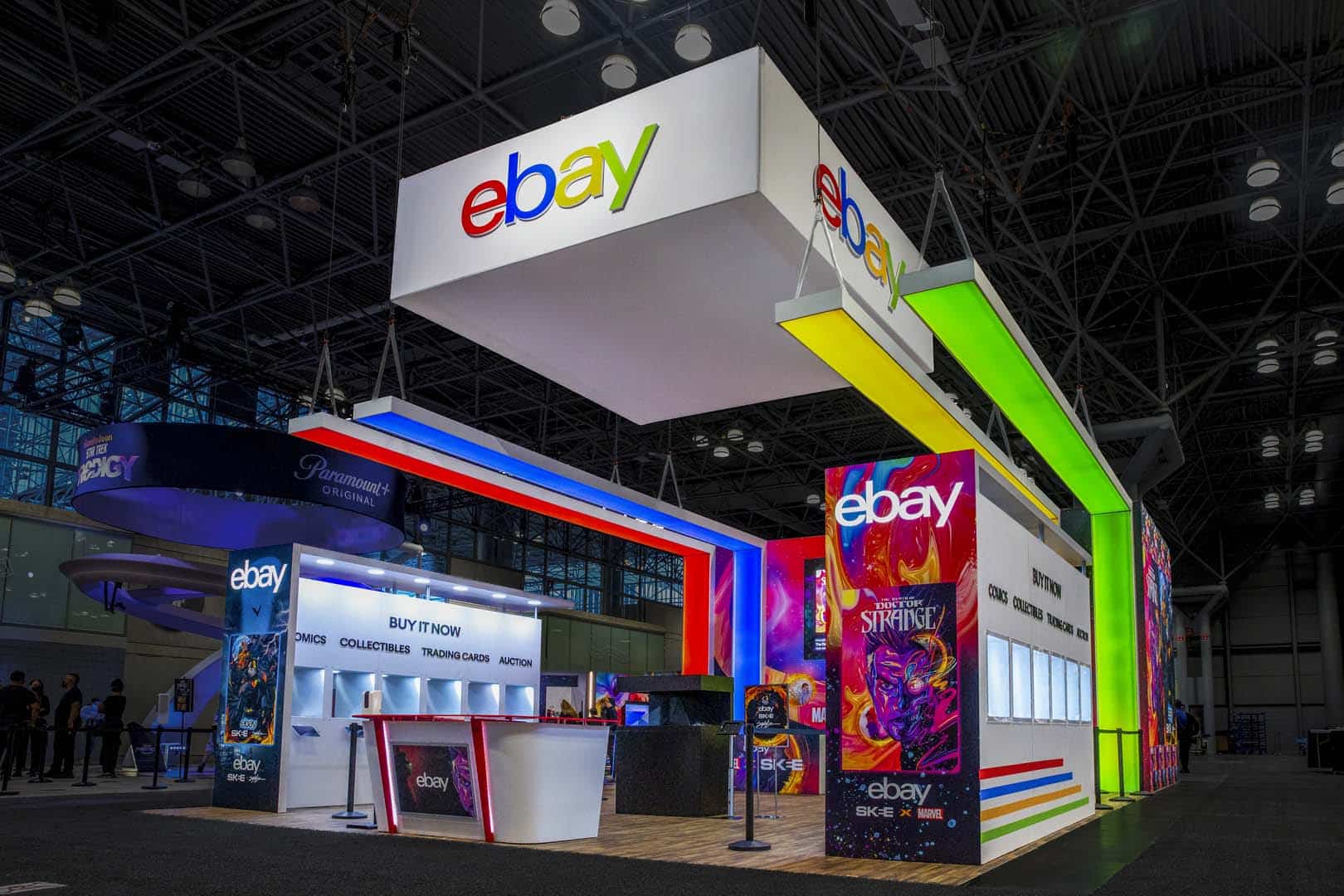
Launching a new product is an important moment for any business. It gives you an opportunity to introduce something new to your audience, attract potential customers, connect with industry professionals, and create interest around your brand. However, making a product launch successful involves much more than presenting the product on a stage. Every detail, from the venue and branding to guest experience and event coordination, needs careful attention.
This is where choosing the right Product Launch Event Company becomes important. An experienced event partner can help turn your ideas into a well-organised event that reflects your brand and gives guests something worth remembering.
If you are planning an upcoming launch, here are some important factors to consider before selecting an event company.
Look for Experience with Product Launch Events
Not every event company has the same experience or capabilities. Some specialise in corporate conferences, while others focus on exhibitions, brand activations, and product launches.
Look for a company that understands how to introduce products in an engaging way. It should be able to plan an event that highlights your product’s features while keeping guests interested throughout the experience.
Ask about previous projects, the types of brands they have worked with, and how they approach different event requirements. Reviewing their portfolio can give you a better idea of their creative style and execution capabilities.
2. Check Their Creative and Design Capabilities
The visual presentation of a Product Launch Event Management can influence how people perceive your brand. From the entrance and stage backdrop to product display counters, every design element should support the same message.
A good event partner should be able to develop creative concepts based on your brand identity, target audience, and launch objectives.
For example, a technology company introducing a new device may need a modern presentation area with interactive product demonstrations. A lifestyle brand may prefer a more experiential setup where guests can see and use the product themselves.
Ask whether the company provides 3D event designs or visual mock-ups. These can help you understand the proposed setup before the actual production begins.
3. Understand Their Event Management Services
Product Launch Event Management planning involves several moving parts. Venue selection, vendor coordination, stage production, lighting, sound, guest management, and event schedules all need to come together smoothly.
Choosing a company that can handle multiple aspects of the event can make coordination easier.
Before signing an agreement, ask which services are included and which responsibilities will remain with your internal team.
A reliable event partner should provide clear information about timelines, deliverables, communication, and on-site responsibilities.
4. Consider Their Approach to Brand Experience
A product launch should feel connected to your brand rather than looking like a standard corporate gathering.
The event company should take time to understand your brand personality, audience expectations, and the message you want to communicate.
Think about how guests will experience your brand from the moment they arrive. Branded entrance displays, product demonstration zones, interactive activities, and customised presentation areas can help create a consistent experience.
Every element should have a purpose. The aim is to make your product the centre of attention without overwhelming guests with unnecessary decorations or activities.
5. Ask About Technology and Production Support
Technology plays an important role in many modern product launches. Screens, projectors, LED walls, professional sound systems, and lighting can make presentations more engaging.
Depending on your launch format, you may also need live streaming, video production, or interactive digital displays.
Discuss these requirements with the event company early in the planning process. Ask whether they have the necessary equipment and technical team or work with external vendors.
It is equally important to understand how they prepare for technical problems. Equipment testing and backup arrangements can help prevent interruptions during important product presentations.
6. Review Their Budget and Pricing Structure
Your event budget should cover more than the venue and basic decoration. Production, furniture, branding, audio-visual equipment, staffing, transportation, and additional services can all affect the final cost.
Request a detailed proposal that explains what is included in the quoted price.
Compare proposals based on the quality and scope of services rather than choosing the lowest price immediately. A cheaper option may not include important production elements or on-site support.
Also discuss how additional expenses will be handled if the event requirements change during planning.
7.Evaluate Communication and Project Management
Good communication can make a significant difference when organising a product launch.
You should know who your main point of contact will be, how frequently updates will be shared, and how changes or concerns will be handled.
Ask about their planning process and whether they provide a clear project timeline. Important milestones should include design approval, vendor confirmation, production, venue preparation, and final rehearsals.
An organised team will help your business stay informed and make decisions without unnecessary confusion.
8. Check Flexibility and On-Site Support
Even with careful preparation, event requirements can change. Guest numbers may increase, presentation timings may shift, or last-minute adjustments may be needed.
Your event partner should be able to respond calmly and work towards practical solutions.
Ask whether their team will be present at the venue during setup and throughout the launch. Having experienced professionals available on-site helps ensure that different activities run according to schedule.
Why the Right Event Partner Matters
A successful product launch is the result of creative planning, technical preparation, and effective coordination. The right company should understand your goals and translate them into an event that introduces your product in a clear and memorable way.
Foster Display Group offers exhibition displays, custom fabrication, event environments, and exhibit management solutions for businesses looking to create a strong brand presence.
When evaluating a potential partner, discuss your event objectives, design expectations, budget, and production requirements in detail. Taking the time to make the right choice can help you create a product launch that attracts attention, encourages meaningful conversations, and gives your brand a professional introduction.
Frequently Asked Questions
Q1. What does a product launch event company do?
A product launch event company plans and runs the event that introduces your product. This typically covers creative design, venue coordination, stage production, technology, guest management and on-site support.
Q2. How do I choose the right product launch event company?
Look at their experience with launch events, creative and design capabilities, services included, technology support, pricing transparency, communication process and ability to support you on-site. Reviewing past projects and 3D concepts also helps.
Q3. What should be included in a product launch event proposal?
A good proposal should detail what is covered in the price, such as production, furniture, branding, audiovisual equipment, staffing and transportation. It should also include timelines, deliverables and how extra costs are handled if requirements change.
Q4. Should I choose the cheapest product launch event company?
Not necessarily. Compare proposals by quality and scope of services rather than price alone, since a lower quote may leave out important production elements or on-site support.
Q5. How early should I start planning a product launch event?
Start as early as possible so there is enough time for design approval, vendor confirmation, production, venue preparation and rehearsals. Larger or more complex launches need more lead time.


